

Have you ever wondered why the left lane feels like a magnet for both the overly cautious and the downright reckless? Whether you’re cruising through scenic routes or stuck in daily traffic, this lane seems to attract a unique mix of drivers. Some treat it like a leisurely Sunday drive, while others act like they’re auditioning for a Fast & Furious sequel.
In Utah, the left lane isn’t just a passing zone—it’s a battleground of personalities. State law requires drivers to move right after passing, but not everyone follows the rules. This creates a frustrating experience for those who just want to get where they’re going. Left lane hoggers can turn your commute into a test of patience.
This article dives into the quirks of Utah’s left lane culture. We’ll explore the legal background, the dangers of lingering in this lane, and how it impacts your daily drive. Plus, we’ll share practical tips to navigate these challenges with ease. Stay tuned for expert advice, real-life examples, and a touch of humor to keep things light.
Ready to master the art of lane etiquette? Keep reading to discover how you can make your drives smoother and safer. And don’t forget to check out more driving tips on crazyutahdrivers.com for additional insights.
Understanding Utah Road Safety and Lane Etiquette
Navigating the roads can feel like a test of patience, especially when drivers ignore basic lane etiquette. In Utah, the rules are clear: the left lane is for passing, not cruising. Yet, many drivers seem to miss this memo, leading to frustration and even danger on the highway.
The Role of Left Lane Laws in Traffic Safety
Utah Code 41-6a-704 states that drivers must move right after passing. This law isn’t just a suggestion—it’s designed to keep traffic flowing smoothly. When drivers linger in the left lane, they create bottlenecks that slow everyone down. Worse, they can block emergency vehicles, putting lives at risk.
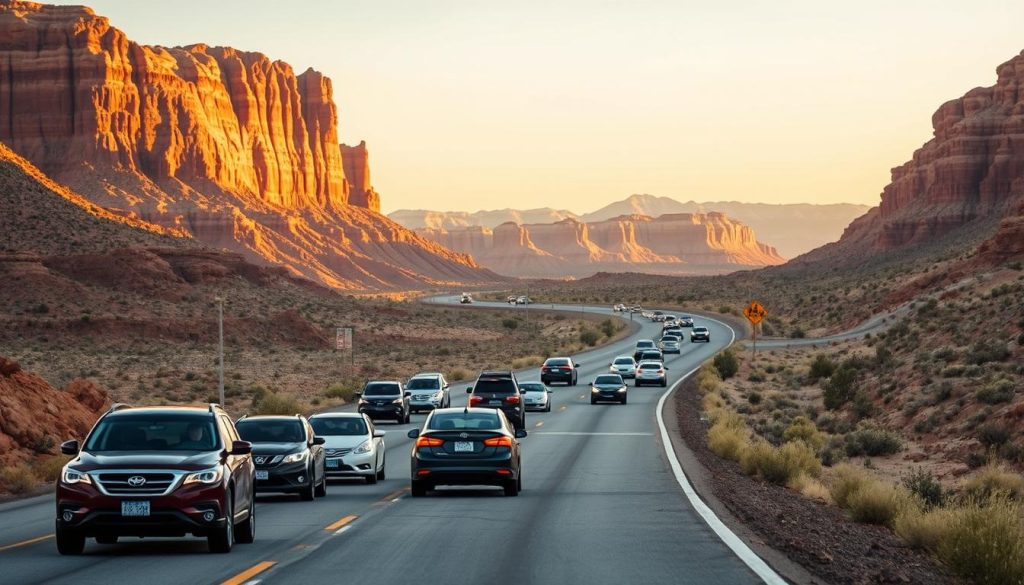
Studies show that 70% of drivers in the state are unaware of this rule. This lack of awareness leads to unnecessary congestion and accidents. By following the law, you can help reduce these risks and make the roads safer for everyone.
Common Driving Misconceptions in Utah
Many drivers believe that as long as they’re driving at the speed limit, they can stay in the left lane. This is a dangerous misconception. The left lane is for passing, not for maintaining speed. Staying there can lead to road rage and even legal penalties.
Another common mistake is thinking that lane changes are only risky at high speeds. In reality, improper lane changes at any speed can cause accidents. Staying in the correct lane and signaling properly are simple steps that can prevent chaos on the highway.
By understanding these rules and misconceptions, you can become a more responsible driver. Not only will this make your drive smoother, but it will also contribute to overall road safety. Next, we’ll explore how to handle those who still don’t get it.
Handling Utah Left Lane Hoggers
Ever found yourself stuck behind a driver who seems oblivious to the concept of passing lanes? This behavior isn’t just annoying—it’s dangerous. Misusing the passing lane can lead to traffic jams, road rage, and even accidents. Understanding how to handle these situations can make your drive smoother and safer.
Legal Implications for Left Lane Misuse
Ignoring state law can have serious consequences. In many states, lingering in the passing lane can result in fines. For example, Virginia imposes a $100 penalty for drivers who block the flow of traffic. These laws exist to keep traffic moving and reduce risks on the highway.
Studies show that enforcing these laws can significantly improve road safety. By staying in the right lane unless passing, you not only avoid penalties but also contribute to smoother traffic flow.
Actionable Strategies to Navigate Around Lane Hoggers
When you encounter a slow driver in the passing lane, patience is key. Instead of tailgating or honking, try these strategies:
- Signal early and move to the right lane when safe.
- Maintain a safe speed and avoid sudden maneuvers.
- Stay calm and focus on your own driving.
These steps can help you avoid escalating tensions and ensure a safer journey.
Real-Life Examples and What You Can Do
Consider this scenario: You’re on a busy highway, and a driver ahead is cruising in the passing lane. Instead of getting frustrated, switch lanes early and continue your drive. This simple action can prevent unnecessary stress and keep traffic flowing.
Another example: A driver refuses to move over despite clear signs and honking. In this case, it’s best to stay back and wait for a safe opportunity to pass. Remember, your safety is more important than saving a few minutes.
By following these tips and adhering to state law, you can handle passing lane misuse effectively. Stay alert, stay patient, and make the roads safer for everyone.
Mastering Winter Driving and Highway Navigation in Utah
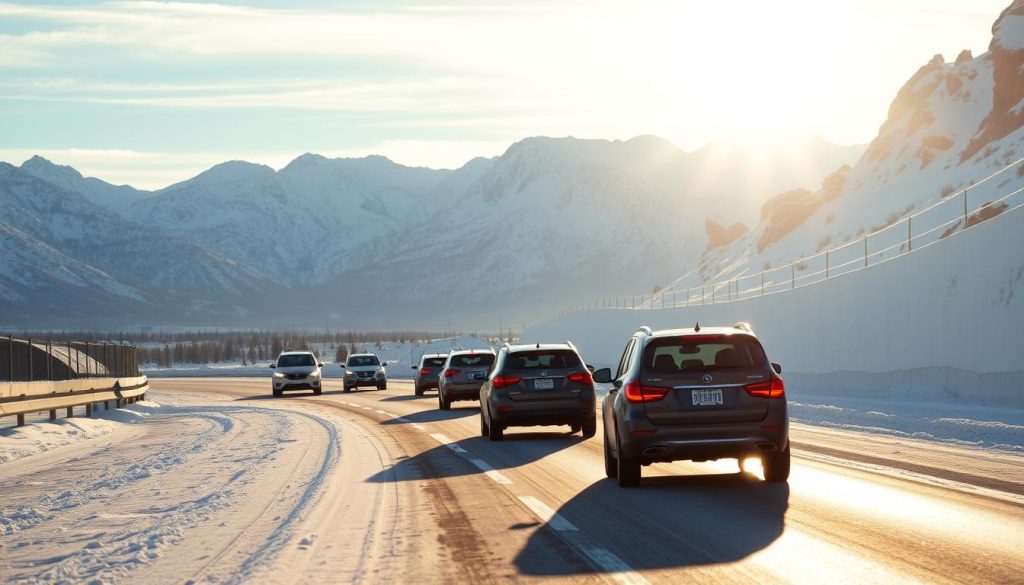
Winter driving in Utah can feel like a high-stakes game of survival, especially when icy roads come into play. Whether you’re a local or just passing through, understanding how to prepare your vehicle traveling in these conditions is crucial. From tire checks to fluid levels, every detail matters when the temperature drops.
Preparing Your Vehicle for Utah Winter Driving
Before hitting the freeway, ensure your car is ready for the cold. Start with a thorough inspection of your tires. Worn-out treads can be dangerous on icy roads. Switch to winter tires if possible—they provide better traction in freezing conditions.
Next, check your fluids. Antifreeze is essential to prevent your engine from freezing. Don’t forget to top off your windshield washer fluid with a winter-grade solution. Visibility is key when snow and slush are flying.
Finally, pack an emergency kit. Include items like a blanket, flashlight, jumper cables, and snacks. You never know when you might get stuck in a snowstorm. Being prepared can make all the difference.
Safety Tips to Maintain a Smooth Traffic Flow
When driving in winter, maintaining a safe distance from another vehicle is critical. Icy roads increase stopping distances, so give yourself extra space. If you’re on a multi-lane freeway, stay in the right lane unless you’re passing. This helps maintain the flow traffic and reduces the risk of accidents.
Pay close attention to road signs. They provide important information about road conditions and speed limits. If you encounter a stalled vehicle traveling ahead, slow down and proceed with caution. Use your signals early to alert other drivers of your intentions.
Remember, patience is your best ally. Winter driving requires extra time and attention. By following these tips, you can navigate Utah’s icy highways safely and confidently. For the latest weather updates, click on trusted resources to stay informed.
Wrapping Up and Hitting the Road with Confidence
Driving isn’t just about getting from point A to point B—it’s about making every trip safe and stress-free. By following proper lane etiquette, you can help maintain a smooth flow of traffic and reduce the risk of accidents. Remember, the passing lane is for overtaking, not cruising. Staying in the right-hand lane unless passing ensures everyone gets where they need to go without unnecessary delays.
Handling slow drivers in the passing lane requires patience and strategy. Instead of getting frustrated, signal early and move over when it’s safe. This simple action can prevent road rage and keep traffic moving efficiently. Winter driving adds another layer of complexity, so always prepare your vehicle and stay alert to changing conditions.
Your actions on the road impact not just you, but every other person around you. By being a responsible driver, you contribute to a safer environment for your family and others. For more tips on safe driving, explore our detailed guide on avoiding common driving issues.
Stay informed, stay safe, and hit the road with confidence. Your journey matters—make it a smooth one!